

HOW OIL PRICES COULD FALL IF WARS END — AND WHY AMERICANS SHOULD CARE
HOW OIL PRICES COULD FALL IF WARS END — AND WHY AMERICANS SHOULD CARE

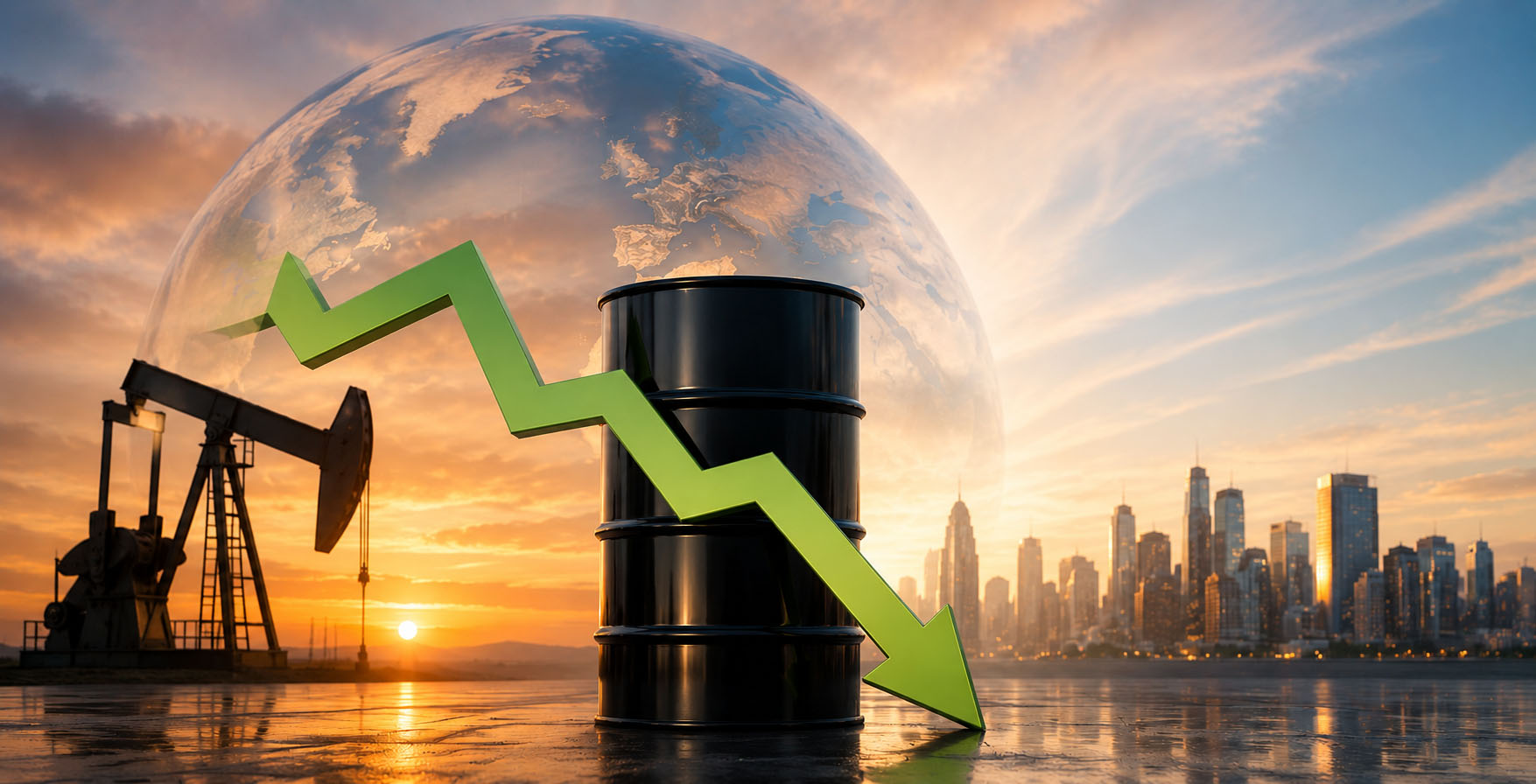
For much of modern history, wars and geopolitical conflicts have had a direct impact on global oil prices. Whether the conflict occurs in the Middle East, Eastern Europe, or another strategic region, uncertainty often causes oil markets to react quickly. When traders fear disruptions to supply, prices rise. When peace appears possible, prices often move in the opposite direction.
As several major conflicts continue to influence global energy markets, many economists and consumers are asking the same question: What happens to oil prices if these wars come to an end?
The answer could have a significant impact on everything from gas prices to grocery bills across the United States.
Why Wars Push Oil Prices Higher
Oil is one of the world's most traded commodities. Every day, millions of barrels move across oceans, pipelines, and transportation networks before reaching consumers.
When war breaks out, investors and energy companies become concerned about several factors:
-
Damage to oil infrastructure
-
Disruptions to shipping routes
-
Sanctions on oil-producing nations
-
Reduced production capacity
-
Increased military activity in key energy regions
Even if oil production remains stable, the fear of future disruptions can drive prices higher.
This phenomenon is often called a "risk premium." Traders are willing to pay more for oil because they anticipate potential shortages.
As a result, consumers frequently see higher prices at gas stations long before any actual supply interruption occurs.
How Peace Could Lower Oil Prices
If major conflicts were resolved through diplomatic agreements or ceasefires, several market pressures could ease almost immediately.
First, oil traders would likely remove much of the risk premium currently built into prices.
Second, countries affected by sanctions or production disruptions could potentially increase exports.
Third, shipping companies would face fewer security concerns, reducing transportation and insurance costs.
All of these factors could increase the amount of oil available on global markets.
When supply increases and uncertainty decreases, prices generally move downward.
Energy analysts often note that markets dislike uncertainty more than almost anything else. Even the possibility of long-term peace can sometimes trigger price declines before agreements are fully implemented.
What Lower Oil Prices Mean for American Drivers
The most visible impact would be at the gas pump.
Crude oil represents a major component of gasoline prices. When oil becomes cheaper, refineries can often produce gasoline at lower costs.
Although prices do not always fall immediately, sustained declines in crude oil usually translate into lower fuel costs over time.
For the average American family, this could mean:
-
Lower commuting expenses
-
Reduced costs for road trips and vacations
-
More disposable income for other household needs
Families already struggling with inflation would likely welcome any reduction in fuel costs.
The Ripple Effect on Food Prices
Many consumers don't realize how closely food prices are tied to energy costs.
Farm equipment relies heavily on fuel. Fertilizers require large amounts of energy to produce. Food products must then be transported across thousands of miles before reaching grocery store shelves.
When oil prices rise, these costs often increase throughout the supply chain.
Conversely, lower oil prices can help reduce transportation and production expenses.
While food prices are influenced by many factors, declining energy costs can provide relief over time.
For Americans concerned about grocery bills, falling oil prices could be an important step toward broader affordability.
Impact on Inflation
One of the Federal Reserve's biggest challenges in recent years has been managing inflation.
Energy costs affect nearly every sector of the economy. Businesses pay more for transportation, manufacturing, shipping, and logistics when fuel prices rise.
These costs are frequently passed on to consumers.
If peace agreements lead to lower oil prices, inflationary pressures could ease.
Lower inflation could potentially encourage lower interest rates in the future, making borrowing more affordable for households and businesses.
Although oil prices alone do not determine inflation, they remain one of the most influential variables in the global economy.
Could Oil Prices Collapse?
Not necessarily.
Even if major wars ended tomorrow, several factors would continue influencing prices:
-
OPEC production decisions
-
Global economic growth
-
Demand from China and India
-
Natural disasters affecting production
-
Energy transition policies
Oil markets are complex, and prices rarely move for a single reason.
However, most analysts agree that a significant reduction in geopolitical tensions would remove one of the largest upward pressures currently affecting energy markets.
A More Stable Global Economy
Beyond lower fuel costs, peace could create a more stable environment for global trade.
Businesses tend to invest more when uncertainty decreases. Shipping routes become more reliable. Consumer confidence often improves.
These benefits can strengthen economic growth both in the United States and abroad.
While wars are never the sole driver of oil prices, they remain one of the most powerful forces shaping energy markets.
For American consumers, the end of major conflicts could mean more than geopolitical stability. It could translate into lower gas prices, slower inflation, cheaper transportation costs, and greater financial relief for millions of households.
In an interconnected world, peace is not only a humanitarian goal—it may also be one of the most effective tools for reducing economic pressure on everyday families.
Related News .
Stay updated with the most important events.