

HOW VENEZUELA'S POLITICAL SHOCKWAVE WILL AFFECT US CONSUMERS
HOW VENEZUELA'S POLITICAL SHOCKWAVE WILL AFFECT US CONSUMERS

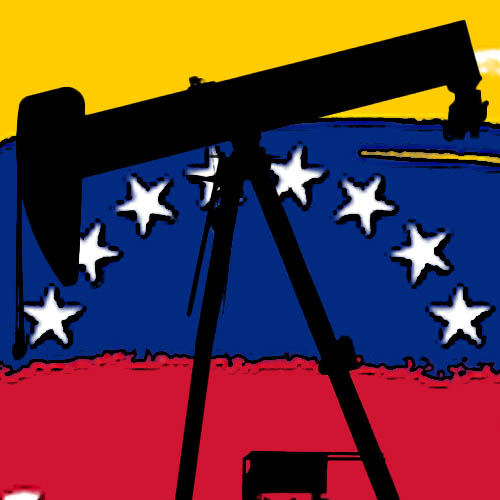
The notification buzzes on a trader's phone in a Houston skyscraper just as dawn breaks over the Gulf Coast: Venezuelan President Nicolás Maduro captured by US armed forces. Within minutes, digital trading floors erupt. Brent crude futures spike 4% in just the first hour of Asian trading. By the time American drivers are sipping their morning coffee, algorithms have already repriced the global market for every barrel of oil. The political bombshell in the Venezuela’s capitol city Caracas has sent a financial tsunami across the Atlantic, and its waves are about to break on American shores—beginning at the gas pump.
This is the invisible but unbreakable tether connecting geopolitics to household economics. As the United States grapples with persistent inflation, few consumers recognize how events in distant capitals shape what they pay for fuel, food, and transportation. Venezuela's latest political convulsion—this time the dramatic capture of its controversial leader—demonstrates with startling clarity how global instability translates directly into domestic price tags.

The Crude Calculus: Venezuela's Oil and America's Thirst
To understand the immediate economic impact, one must first appreciate Venezuela's outsized role in global oil markets. Despite producing just 800,000 barrels per day—a fraction of its 3.5 million barrel peak in the late 1990s—Venezuela holds the world's largest proven oil reserves, an estimated at 303 billion barrels. More specifically, it produces a specific type of heavy, sour crude that is chemically distinct from the light, sweet crude flowing from Texas shale fields.
"Venezuelan crude is like a specialized ingredient in a complex recipe," explains Dr. Sarah Chen, an energy economist at Rice University's Baker Institute. "You can substitute it, but not without cost and adjustment. Gulf Coast refineries, particularly in Texas and Louisiana, invested billions to process that specific heavy crude. When it suddenly disappears from the market, the entire system must reconfigure."
The U.S. refining apparatus along the Gulf represents an industrial ecosystem fine-tuned over decades. According to Energy Information Administration data, before comprehensive U.S. sanctions took full effect in 2019, Venezuela regularly supplied 500,000 to 800,000 barrels per day to these facilities. Their intricate piping, coking units, and chemical processes were optimized for Venezuelan crude's particular characteristics.
When Maduro's capture creates immediate uncertainty about future supply, this carefully calibrated system faces disruption. "Refineries can't just switch sources like changing television channels," notes Michael Tran, managing director of global energy strategy at RBC Capital Markets. "The physical and chemical properties of alternative crudes from Canada or the Middle East require adjustments that take time and money—costs inevitably passed along the supply chain."
:max_bytes(150000):strip_icc()/GettyImages-1652780589-871406d603984a30a0035ea751ccdc5f.jpg)
The Immediate Shock: Geopolitical Risk Premium in Real Time
The morning of Maduro's capture illustrates the concept of "geopolitical risk premium" with textbook clarity. This financial phenomenon represents the additional price investors demand for uncertainty. Within hours, the premium attached to global oil prices surged by $3-5 per barrel.
Why such a dramatic reaction when Venezuela's current production remains historically low? The answer lies in both psychology and potential.
"Markets aren't pricing just today's barrels," observes veteran oil trader Javier Blas, author of The World for Sale. "They're pricing the uncertainty around tomorrow's barrels. Venezuela has the physical capacity to eventually return as a million-barrel-plus producer. Maduro's capture opens a spectrum of possibilities—from swift stabilization under opposition leadership to complete disintegration into a Libya-like civil war. Each scenario carries dramatically different implications for global supply."
This uncertainty triggers a cascade through energy markets. Beyond crude prices themselves, the shipping and insurance sectors immediately react. Lloyd's of London typically increases war risk premiums for vessels operating in or near Venezuelan waters during political crises. Tanker rates for Caribbean routes often spike as shipowners demand compensation for heightened risks.
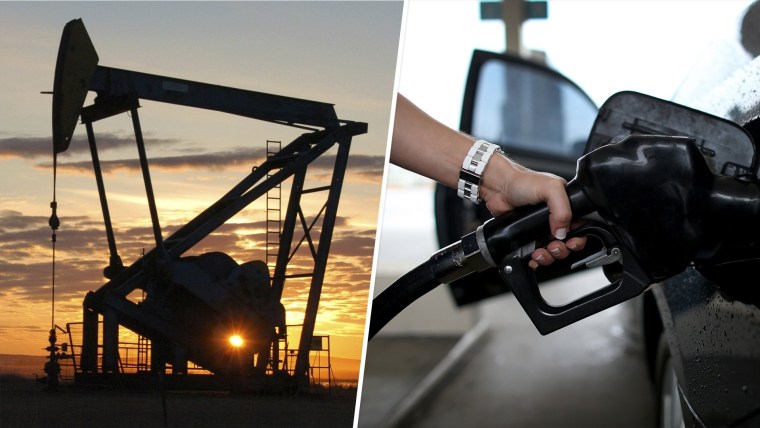
The most immediate American impact, however, comes through the futures markets, where gasoline and diesel contracts trade months in advance. These financial instruments, used by fuel distributors and transportation companies to hedge costs, respond within seconds to geopolitical news. A sustained $5 increase in crude prices typically translates to roughly 12-15 cents more per gallon of gasoline within 2-3 weeks, according to historical correlations analyzed by the American Automobile Association.
The Sanctions Paradox: Relief or Reversal?
The Maduro government's fraught relationship with Washington created one of the most complex sanction regimes in modern history. Since 2017, the United States has incrementally restricted Venezuelan oil transactions, culminating in a near-total embargo in 2019. These measures aimed to deprive Maduro of revenue while recognizing opposition leader Juan Guaidó as Venezuela's legitimate president.
Maduro's capture presented the Biden administration with a sanctions dilemma with trillion-dollar implications. Easing restrictions could theoretically flood the market with Venezuelan crude, potentially lowering global prices. Maintaining them during a leadership transition might prevent stabilizing the very political situation the U.S. has sought.
History offers instructive parallels. When the U.S. temporarily lifted sanctions on Iranian oil in 2015 following the nuclear deal, approximately 1 million barrels per day reentered global markets, contributing to a 40% decline in oil prices over the subsequent year. Venezuela possesses similar medium-term potential.
"The key variable isn't reserves or even immediate production capacity," explains Lisa Viscidi, energy program director at the Inter-American Dialogue. "It's investment and expertise. Venezuela's oil infrastructure has suffered catastrophic neglect. Restoring production to even 2 million barrels daily would require $20-30 billion in foreign investment and years of technical work. But the mere prospect of that crude returning to markets changes price calculations today."
This psychological dimension matters tremendously. Oil traders increasingly factor forward expectations into present pricing. The potential for significant Venezuelan production in 24-36 months could temper long-dated futures contracts today, creating a complex price curve where short-term prices spike on uncertainty while longer-term prices might actually fall on anticipated future supply.
The Alternative Crude Equation: Who Fills the Gap?
As Gulf Coast refiners seek alternatives to Venezuelan crude, they enter a transformed global marketplace. The pre-sanctions era offered more flexibility. Today, OPEC+ maintains production cuts, Russian exports face Western embargoes, and Middle Eastern producers increasingly direct cargoes toward Asia.
Canadian heavy crude presents the most logical alternative, but pipeline constraints limit immediate substitution. "The logistical reality is that you can't simply redirect 500,000 barrels per day of Canadian oil sands production to the Gulf Coast overnight," explains Kevin Book, managing director at ClearView Energy Partners. "Existing pipelines operate near capacity, and rail transport adds significant cost."
This creates a bidding war for similar crude grades across the Atlantic Basin. European refineries, themselves seeking alternatives to banned Russian crude, compete for the same heavy barrels from Canada, Colombia, and Ecuador. This competition compounds price pressures, creating a secondary effect that further inflates costs.
The environmental dimension adds another layer. Venezuelan crude requires extensive upgrading at specialized refineries. Substituting with even heavier Canadian oil sands crude or importing from more distant producers like Iraq increases the carbon intensity of the refined products—an important consideration for refineries facing increasing climate disclosure requirements and potential carbon border adjustments.
Beyond the Barrel: The Ripple Effects on American Consumers
While gasoline prices represent the most visible impact, the economic shockwaves extend through multiple sectors of the American economy:
Transportation and Logistics: Diesel prices directly influence the cost of moving everything from Amazon packages to fresh produce. The American Trucking Associations estimates that every 10-cent increase in diesel prices adds $3.8 billion annually to the nation's freight bill. These costs permeate supply chains, appearing subtly in prices for furniture, electronics, and virtually all transported goods.
Air Travel: Jet fuel constitutes airlines' single largest expense. When crude prices spike, carriers typically respond by adding fuel surcharges to tickets or reducing capacity on marginal routes. For consumers, this means more expensive summer travel and potentially fewer flight options to smaller cities.
Petrochemicals and Plastics: The Gulf Coast hosts the world's largest concentration of petrochemical facilities, which transform oil and gas into plastics, fertilizers, and industrial chemicals. Ethane, propane, and other feedstocks correlate with crude prices. Higher input costs eventually translate to more expensive everything from medical devices to construction materials to agricultural fertilizers.
Food Prices: Modern agriculture runs on oil—literally. Diesel fuels farm equipment and transportation networks. Natural gas (whose prices often correlate with oil in global markets) is the primary input for nitrogen fertilizers. Research from the Food and Agriculture Policy Research Institute suggests a 40% increase in oil prices typically raises food prices by 10-15% within 12-18 months through these interconnected channels.
Historical Echoes and Present Realities
The Venezuela-U.S. oil relationship has experienced previous shocks, each offering lessons for the current crisis. In 2002-2003, a strike at Venezuela's state oil company PDVSA removed approximately 2 million barrels per day from global markets, contributing to a price spike that took months to normalize.
More recently, the 2019 sanctions provided a natural experiment. When the U.S. fully restricted Venezuelan imports, Gulf Coast refiners initially struggled, paying premiums for alternative crudes. However, over subsequent months, they established new supply relationships and optimized processes for different crude slates. This adaptation suggests that while short-term disruptions are inevitable, the refining system demonstrates remarkable resilience.
"Each crisis teaches the industry something," observes oil historian Tyler Priest, author of The Offshore Imperative. "After 2019, we saw increased investment in refinery flexibility. Many facilities upgraded to handle wider crude slates. This investment may mitigate the impact of the current disruption compared to what we would have seen a decade ago."
The Geopolitical Chessboard: Russia, China, and Iran
Venezuela's crisis reverberates beyond bilateral U.S.-Venezuela relations into broader great power competition. Under Maduro, Venezuela became a strategic partner for Moscow and Beijing, offering Russia a Western Hemisphere foothold and providing China with oil secured against billions in loans.
Maduro's potential removal reshuffles this geopolitical deck. A new government might seek to reorient Caracas toward Washington, potentially:
-
Reducing Russian military and intelligence presence in the hemisphere
-
Renegotiating or transparently auditing Chinese "oil-for-loan" agreements
-
Aligning with Western positions in international forums like the United Nations
Conversely, prolonged instability might create a power vacuum that Russia or other actors could exploit, potentially transforming Venezuela into a proxy conflict zone similar to Syria or Libya—an outcome that would guarantee sustained oil market volatility.
China's position proves particularly consequential. Beijing holds an estimated $20 billion in Venezuelan oil-backed debt and has invested billions more in infrastructure. A regime change could either jeopardize these investments or create opportunities for renegotiation under more transparent terms. Either outcome affects global energy flows, as China might need to source additional crude elsewhere if Venezuelan supplies diminish or change terms.
The Human Dimension: Migration and Remittances
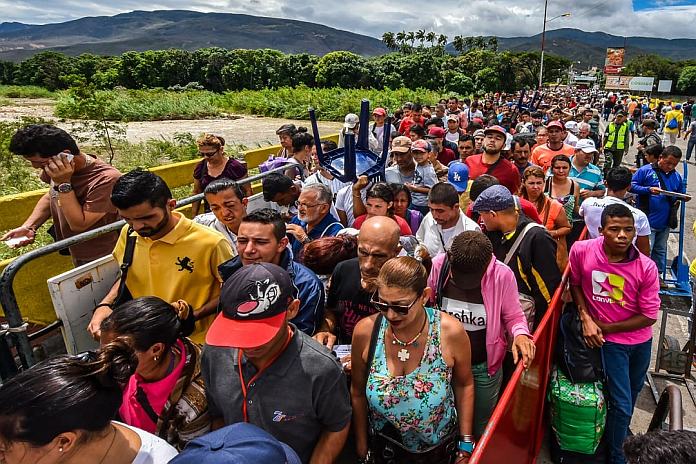
Economic impacts flow both directions across the Caribbean. South Florida hosts approximately 200,000 Venezuelan migrants, with significant communities in Houston and other energy hubs. These populations maintain vital connections through remittances—money transfers that sustained families during Venezuela's economic collapse.
Political change in Caracas could dramatically alter these flows. Stabilization and economic recovery might eventually reduce outward migration pressure and even prompt some return migration. Conversely, intensified conflict could accelerate departures, potentially affecting U.S. immigration policy and border resources.
The energy industry itself contains human connections. Many Venezuelan petroleum engineers and geologists now work for U.S. oil companies, having fled their country's collapse. Their expertise could prove invaluable should Venezuela attempt to rebuild its oil sector under new leadership. This potential "brain return" illustrates how political developments affect not just commodity flows but knowledge transfer and industry capability.
The Long Game: From Crisis to New Equilibrium
The ultimate impact on American consumers depends on which of several potential scenarios unfolds:
Swift Transition Scenario: A rapid, relatively peaceful transfer of power to a U.S.-recognized government leads to phased sanctions relief. After initial price spikes from uncertainty, markets begin pricing in eventual supply increases. The price curve "inverts," with near-term prices elevated but 2025-2026 futures declining on anticipated production recovery. U.S. consumers experience 3-6 months of elevated prices followed by gradual relief.
Prolonged Conflict Scenario: Maduro's capture triggers violent factional fighting, transforming Venezuela into a failed state. Oil production collapses further, possibly to 400,000 barrels daily or lower. Global markets permanently lose Venezuelan supply, creating a structural deficit that keeps prices elevated for years. Strategic petroleum releases might temporarily buffer prices, but underlying market tightness persists.
Regional Instability Scenario: Conflict spills across borders, potentially affecting Colombian oil infrastructure or shipping lanes in the Caribbean. This broader regional disruption compounds the direct Venezuelan supply loss, potentially adding $10-15 per barrel to oil prices for an extended period. The U.S. might need to deploy naval resources to protect regional energy infrastructure, adding geopolitical risk to market calculations.
The Unbreakable Conclusion Connection
As American drivers watch gasoline prices fluctuate in the coming weeks, few will connect the digital numbers on the pump to political events in a South American capital. Yet this connection remains as real as the physical properties of the crude flowing through pipelines from wellhead to refinery to gas tank.
The Venezuelan shockwave illustrates a fundamental reality of our interconnected global economy: there are no truly local energy markets anymore. A political event in Caracas transmits through financial markets, shipping lanes, and refining networks until it manifests in the daily expenses of households from Miami to Seattle.
This episode also highlights America's continued vulnerability to global energy disruptions, despite the nation's emergence as a net exporter. While the U.S. may produce enough crude to meet its own needs, it remains bound to global price benchmarks that respond to disruptions anywhere major producers operate.
In the longer term, the transition toward electrified transportation and renewable energy may gradually weaken these geopolitical-economic linkages. But for the foreseeable future, the fortunes of American consumers remain tied—through the complex alchemy of global markets—to the political stability of producers halfway around the world.
The road from Caracas to the American gas pump runs through trading desks in Houston, refineries in Port Arthur, and pipelines stretching across the continent. It's a road paved with uncertainty, speculation, and real economic consequences—a tangible reminder that in global energy markets, politics and economics flow together as inseparably as crude through a pipeline.
Related News .
Stay updated with the most important events.