

SHIPPING CRISIS IN EGYPT COULD AFFECT U.S CONSUMER PRICES
SHIPPING CRISIS IN EGYPT COULD AFFECT U.S CONSUMER PRICES

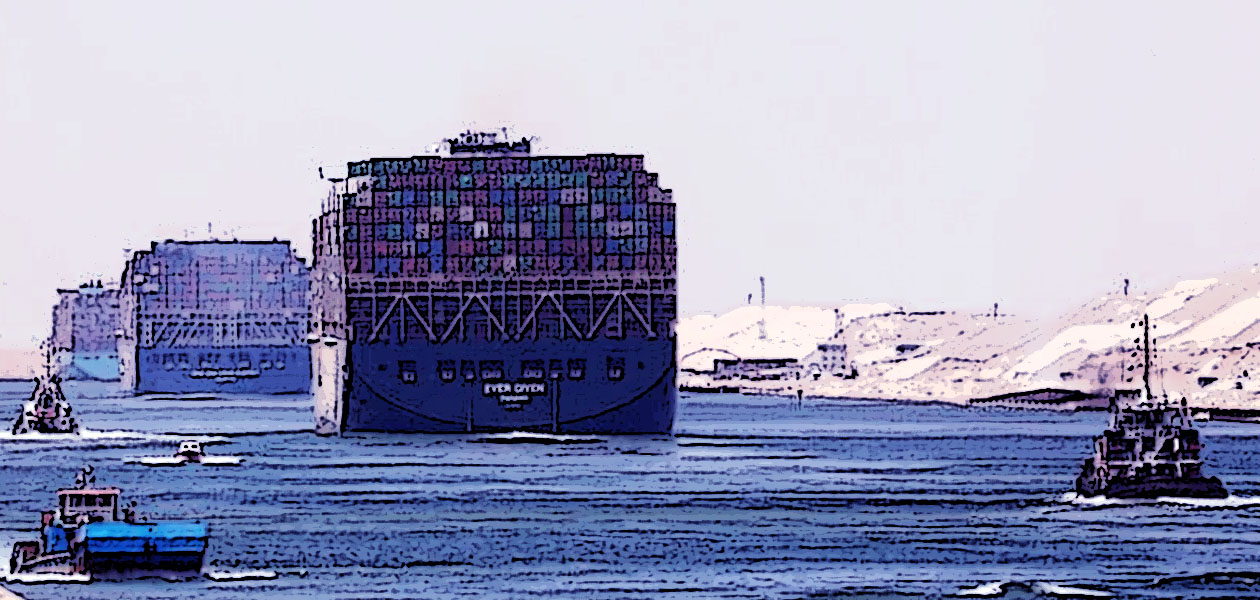
Since late 2023, a critical artery of global commerce has been under siege which has most American consumers unaware. Militant attacks on commercial vessels passing through the Red Sea, yes, the one Moses split, have triggered one of the most significant disruptions to international trade since the COVID-19 pandemic, raising questions about whether American consumers will face another wave of price increases just as inflation appeared to be cooling.

The Crises Begins...
The Red Sea, which connects to the Mediterranean via the Suez Canal, serves as a major pathway for container shipping linking Asia and Europe. This 120-mile waterway typically handles approximately 12% of global trade and 30% of container traffic, making it one of the world's busiest and most strategically important shipping lanes.
The trouble began in November 2023 when Yemen's Houthi rebels launched attacks on shipping following the outbreak of conflict between Israel and Gaza. What started as isolated incidents quickly escalated into a sustained campaign that has fundamentally altered global shipping patterns. By October 2024, over 190 attacks had been documented, forcing the world's largest shipping companies to make a difficult choice: risk the dangerous passage or take a much longer route.
The response has been dramatic. Traffic through the Bab al-Mandab Strait decreased by nearly 57.5% between late 2023 and early 2024, as vessels opted to sail around Africa's Cape of Good Hope instead. This detour adds 3,500 nautical miles to journeys from Shanghai to Rotterdam and 8,500 nautical miles from Jebel Ali to Port Said. Ships that once completed their routes in weeks now take significantly longer, with transit times increasing by 7-14 days on average.

The Ripple Effect on Shipping Costs
The immediate consequence of this massive rerouting has been a sharp increase in freight costs. The Platts Container Index reached a peak of $5,272.50 per forty-foot equivalent unit in early January 2024, marking its highest level since mid-2022. For context, shipping rates from Shanghai to Los Angeles jumped from $1,985 to $3,860 per container between mid-December 2023 and mid-January 2024.
These increases stem from multiple factors beyond just the longer journey. The extended voyage times mean shipping companies need more vessels to maintain the same level of service, effectively reducing global shipping capacity. Ships must also carry more fuel, incur higher labor costs, and face elevated insurance premiums for vessels that do brave the Red Sea passage. The uncertainty itself carries a price tag, as companies struggle to plan inventory and manage supply chains when delivery schedules become unpredictable.
Will Americans Feel the Pinch?
The critical question for U.S. consumers is whether these shipping disruptions will translate into higher prices at checkout. Economists have offered varying assessments, with the consensus landing somewhere between cautious optimism and watchful concern.
Several factors suggest the impact on U.S. inflation may be limited. Imported goods represent only about 16.5% of total U.S. monthly consumption, meaning the majority of what Americans buy isn't subject to international shipping costs. Transportation expenses typically account for just 4% to 5% of a product's final price, so even doubling shipping costs wouldn't necessarily cause dramatic price increases for most goods.
UBS estimated the effect on inflation from the Red Sea crisis at less than two basis points, or 0.02%, arguing that the impact would be minimal. This stands in stark contrast to the pandemic-era supply chain crisis, which was driven more by supply shortages and excess demand rather than shipping costs alone.
However, not all analysts share this sanguine view. JP Morgan Research estimated the disruptions could add 0.7 percentage points to global core goods inflation during the first half of 2024 if elevated shipping costs persisted. Meanwhile, the Centre for Economic Policy Research projected global inflation could rise by 0.18 percentage points in 2024 and 0.23 percentage points in 2025 in their scenario of protracted disruptions.
Products Most at Risk
Certain categories of goods face higher vulnerability to price increases. Items imported from Southeast Asian countries like India and Vietnam, which rely heavily on the Suez Canal route, could see more significant impacts. Top products imported to the U.S. from India include solar panels, bed linens, wooden furniture, shrimp, and honey.
European markets face greater exposure than the United States. Shipments from Southeast Asia to Europe now take 33% longer, while Chinese goods bound for European destinations experience 25% longer transit times. The United States benefits from geographic alternatives, particularly trade routes through the Panama Canal that bypass the Red Sea entirely.
Some retailers have already reported impacts. Furniture company Restoration Hardware cited $40 million in lost revenue during the fourth quarter due to shipping delays related to the Red Sea conflict. Sporting goods retailer Adidas acknowledged delays in orders, though they expected to recover sales in subsequent quarters rather than lose them entirely.
The Military and Diplomatic Response
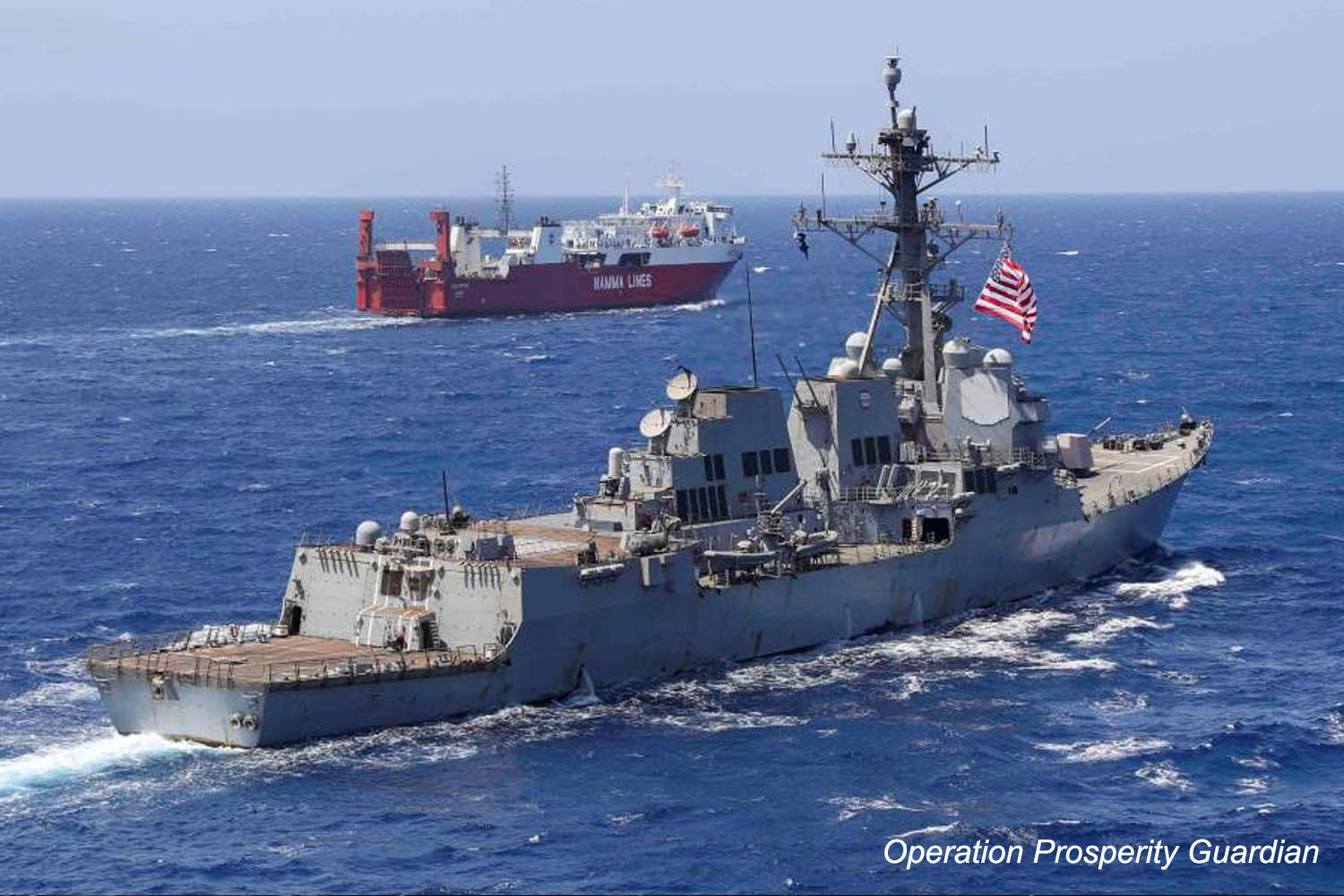
The international community has not stood idle. In December 2023, the United States launched Operation Prosperity Guardian, a multinational naval protection force designed to safeguard merchant vessels. The European Union followed in February 2024 with Operation Aspides, its own naval mission to protect shipping lanes. The United States and United Kingdom have also conducted direct military strikes against militant positions in Yemen.
Despite these efforts, attacks have continued. The fundamental challenge is that military interventions can reduce but not eliminate the threat, and shipping companies remain hesitant to risk valuable cargo and crew even with naval escorts present.
A Resilient but Vulnerable System
One reason the economic impact hasn't been more severe is the shipping industry's current capacity situation. Unlike during the pandemic, when global shipping was operating at maximum capacity with port congestion creating bottlenecks, today's market has more slack. Global container shipping capacity is expected to increase by around 25% between 2022 and 2025, which helps absorb the shock of longer routes and reduced efficiency.
Additionally, many retailers and manufacturers learned painful lessons from pandemic-era disruptions. Companies now maintain larger inventories, have diversified their supplier networks, and have developed contingency plans for shipping disruptions. The timing of the crisis, which began after the crucial holiday shopping season, also provided some buffer.
Looking Ahead
The trajectory of this crisis remains uncertain and deeply intertwined with broader Middle Eastern geopolitical dynamics. As long as regional tensions persist, shipping companies will likely continue to avoid the Red Sea, maintaining pressure on global supply chains.
For American consumers, the Red Sea crisis serves as a reminder of how interconnected the global economy has become. While the direct impact on U.S. prices may prove modest, the situation underscores the vulnerability of systems we often take for granted. A vital shipping lane half a world away can influence the price of furniture, electronics, and countless other products that fill American homes.
The crisis also highlights an uncomfortable reality: in an era of global trade, there are no purely domestic economies. What happens in the Red Sea doesn't stay in the Red Sea. It ripples outward through supply chains, shipping costs, and eventually to store shelves. For now, those ripples appear manageable. But the lesson for policymakers and businesses alike is clear—supply chain resilience isn't just about efficiency, it's about national economic security.
Four Ways Egypt’s Shipping Crisis Could Affect the U.S. Economy
1. Higher Shipping Costs & Delays for Key Imports
The diversion around Africa adds 7–14 days to shipping times and significantly increases fuel, labor, and insurance expenses. While not all U.S. imports pass through the Suez Canal, goods from India and Southeast Asia—such as furniture, textiles, solar panels, and seafood—are particularly vulnerable. Companies importing these items face steeper logistics costs, which could eventually filter down to consumer prices, especially if the crisis persists.
2. Potential for Renewed Inflation Pressure
Although shipping represents a small portion of a product’s final cost, sustained freight rate increases could nudge inflation upward for affected goods. Some economists estimate the disruptions could add between 0.2 and 0.7 percentage points to goods inflation globally in 2024—a modest but unwelcome headwind as the Federal Reserve works to stabilize prices. While not as severe as pandemic-era shocks, it could slow the pace of disinflation.
3. Strain on Retailers & Inventory Management
U.S. retailers that rely on timely shipments from Asia and the Middle East are already experiencing delays. Some, like Restoration Hardware, have reported lost revenue due to late arrivals. To avoid stockouts, companies may need to place orders earlier, hold larger inventories, or absorb higher air freight costs—squeezing margins and potentially leading to higher prices or reduced profitability.
4. Longer-Term Supply Chain Reassessment
The crisis is prompting American businesses to re-evaluate their dependence on distant, disruption-prone trade routes. While the U.S. benefits from alternative pathways like the Panama Canal and strong North American trade ties, the turmoil underscores the fragility of globalization. Companies may accelerate efforts to diversify suppliers, “near-shore” production, or build more resilient—but sometimes more expensive—supply networks, which could reshape trade patterns over time.
Related News .
Stay updated with the most important events.