

THIS IS HOW U.S. ACQUISITION OF GREENLAND WOULD IMPACT AMERICAN CITIZENS
THIS IS HOW U.S. ACQUISITION OF GREENLAND WOULD IMPACT AMERICAN CITIZENS


The prospect of the United States acquiring Greenland, the world's largest island, would represent one of the most significant territorial expansions in American history since the Alaska purchase of 1867 from Russia. Of course, this doesn’t include the fact that the Trump administration suggested it would be talking over a sovereign nation by force if necessary – which is illegal according to international law. While such an acquisition remains hypothetical, and faces substantial diplomatic obstacles, the potential effects on U.S. citizens would be far-reaching and rather complicated.
Economic Considerations
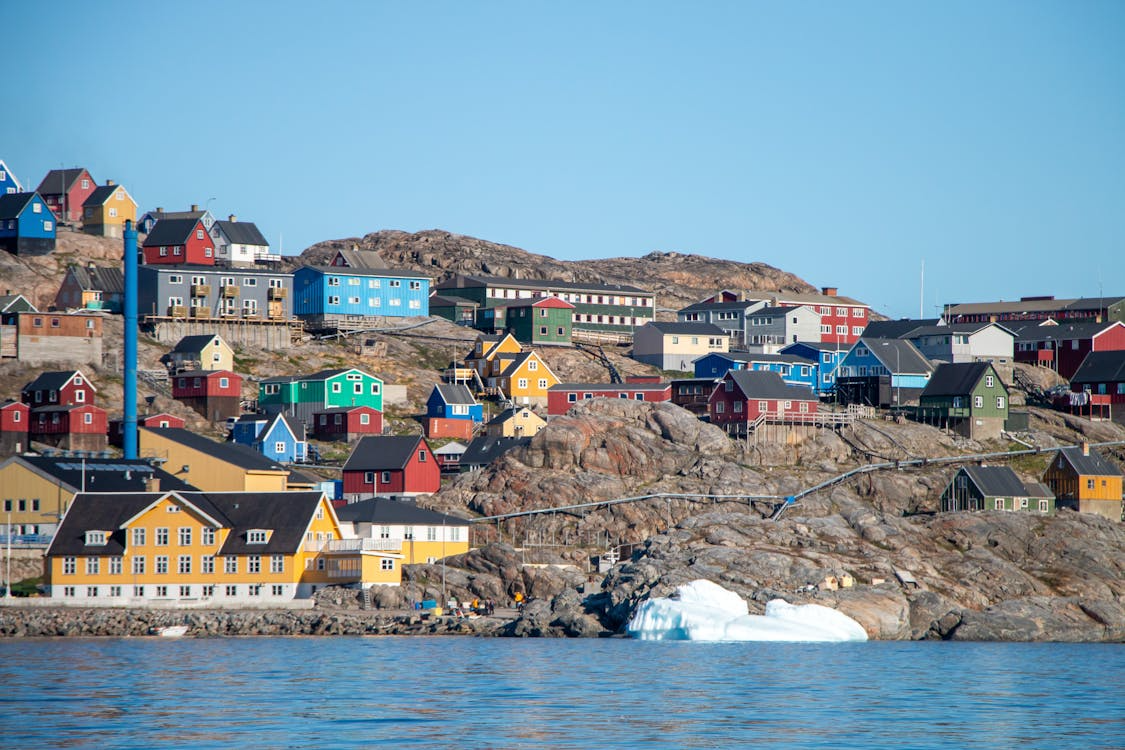
The most immediate impact on American taxpayers would be financial. Any acquisition would likely require an enormous financial burden, though Denmark has consistently stated that Greenland is not for sale. Beyond the initial cost, U.S. citizens would bear the ongoing expenses of governing and developing Greenland's limited infrastructure. The island's 57,000 residents are spread across vast distances with minimal road connectivity, requiring substantial investment in transportation, healthcare, education, and communication systems.
However, these costs could be offset by access to Greenland's substantial natural resources. The island contains significant deposits of rare earth minerals, which are essential for modern electronics, electric vehicles, and renewable energy technologies. Currently, China dominates the global rare earth market, making Greenland's reserves strategically valuable. American mining, technology, and manufacturing industries would benefit from reduced dependence on foreign mineral sources, potentially creating new jobs and economic opportunities.
Greenland's waters also offer rich fishing grounds and potential oil and gas reserves. The fishing industry could see expansion, while energy companies might gain access to new Arctic drilling opportunities. As climate change opens new Arctic shipping routes, American logistics and transportation companies would benefit from enhanced access to these emerging corridors.
Strategic and Security Advantages
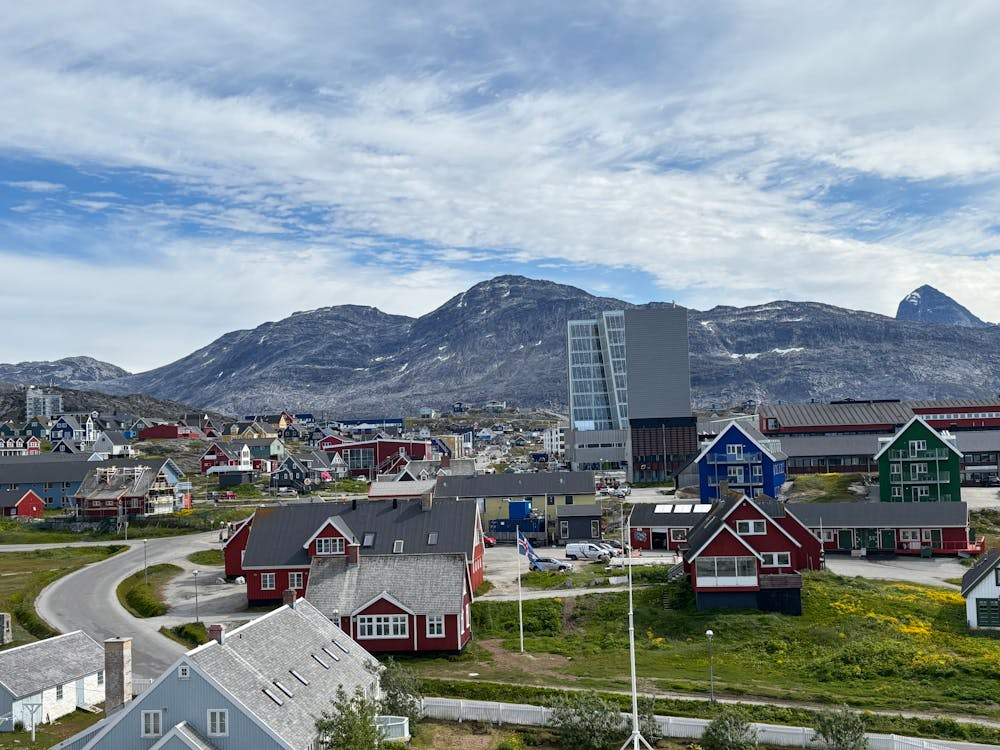
For average Americans, the strategic benefits might seem abstract but would be significant. Greenland's location provides commanding views of the Arctic region, where melting ice is creating new geopolitical competition among nations. Enhanced military presence would strengthen U.S. security infrastructure and provide better positioning relative to Russia and China in the Arctic.
The Thule Air Base in northern Greenland already serves as a crucial early warning station for ballistic missiles. Full control over Greenland would expand these defensive capabilities, potentially making Americans safer from emerging threats in an increasingly contested Arctic region.
Political and Social Integration
The integration of Greenland into the American political system would raise complex questions. Would Greenland become a state, gaining two senators and representation in Congress? Or would it be organized as a territory? These decisions would affect the balance of political power in Washington.
If Greenlanders received U.S. citizenship, Americans would welcome a population with a distinct Inuit culture, Danish colonial history, and Greenlandic language. This cultural integration would present both opportunities and challenges, requiring sensitivity to indigenous rights and existing governance structures that grant Greenland considerable autonomy.

Long-Term Implications
For most Americans, the day-to-day effects of acquiring Greenland would likely be subtle and gradual. Few would relocate to the Arctic island, and immediate lifestyle changes would be minimal. However, the long-term implications could be substantial. Reduced dependence on foreign mineral sources might lower costs for consumer electronics and electric vehicles. Enhanced Arctic security could prevent future conflicts. New industries and research opportunities in Arctic climate science, resource extraction, and logistics could emerge.
The environmental dimension cannot be ignored either. Greenland sits at the forefront of climate change, with its massive ice sheet melting at accelerating rates. American citizens would gain a direct stake in monitoring and responding to these changes, which affect global sea levels and weather patterns.
Ultimately, the acquisition of Greenland would represent a generational investment with costs and benefits unfolding over decades. Whether such an acquisition would serve American interests depends on careful analysis of financial costs, strategic advantages, and the willingness to responsibly integrate a unique Arctic territory into the American framework.
Related News .
Stay updated with the most important events.