

7 THINGS AMERICANS OVERPAY FOR EVERY DAY
7 THINGS AMERICANS OVERPAY FOR EVERY DAY

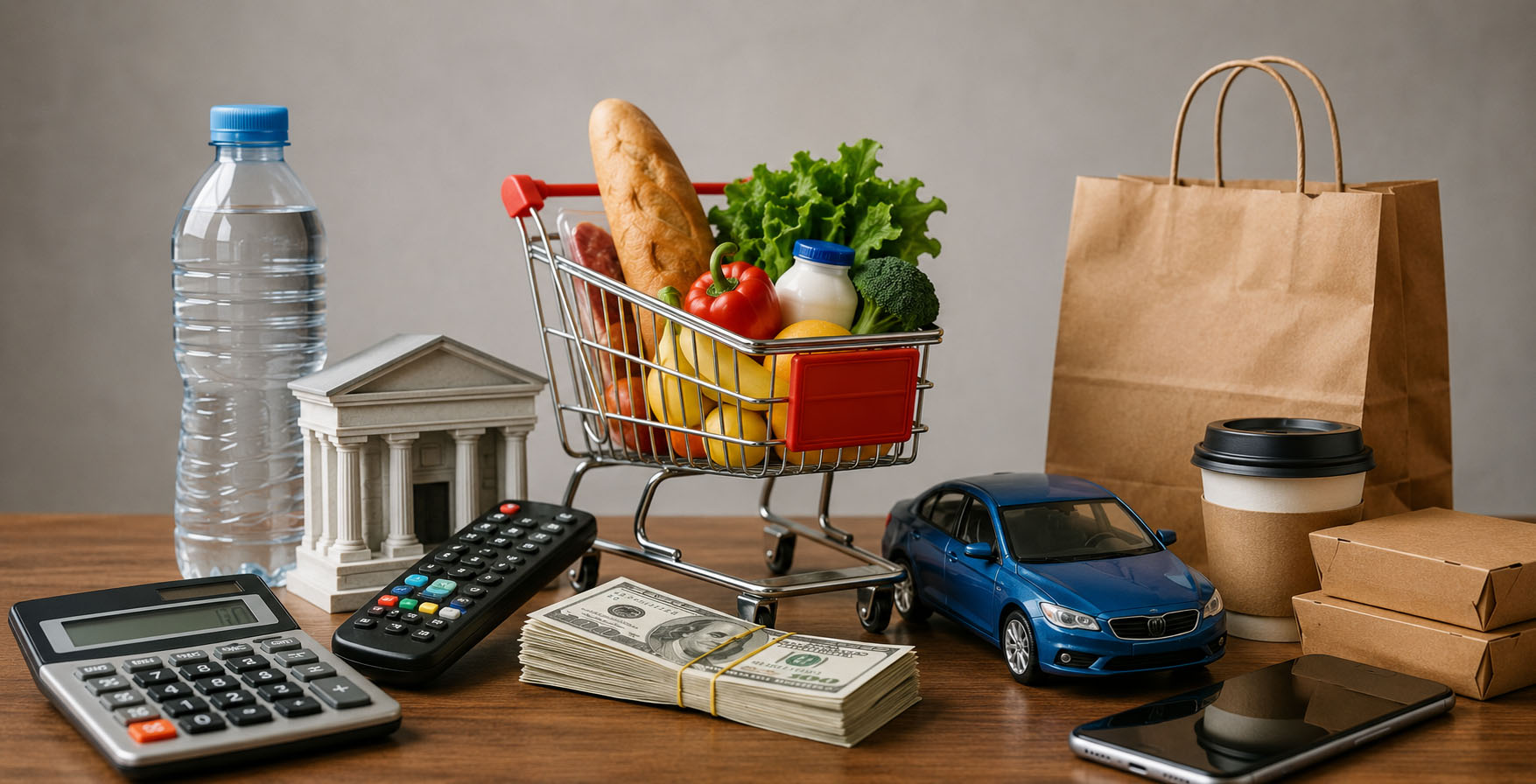
For years, Americans have been told that high prices are simply part of modern life. But many financial experts argue that millions of people in the United States are quietly overspending on everyday products and services without realizing it.
From grocery stores to monthly subscriptions, small expenses can slowly drain bank accounts over time. What may seem like harmless spending habits can add up to thousands of dollars each year.
Here are seven things many Americans routinely overpay for — and why smarter alternatives are becoming increasingly popular.
1. Bottled Water
One of the most common everyday overpayments is bottled water.
Many Americans spend hundreds of dollars annually buying bottled water out of convenience. Yet in many cities, filtered tap water costs only pennies by comparison.


Financial analysts estimate that bottled water can cost hundreds of times more than tap water. Beyond the financial cost, it also contributes heavily to plastic waste.
Reusable water bottles and home filtration systems are becoming increasingly popular alternatives for consumers looking to save money long term.
2. Bank Fees
Many Americans lose money every month through hidden banking fees.
These can include:
-
Overdraft charges
-
ATM fees
-
Monthly maintenance fees
-
Wire transfer costs
-
Minimum balance penalties
While a single fee may seem small, repeated charges can quietly add up over the course of a year.
Online banks and digital financial platforms have started attracting customers by offering lower fees and better interest rates. Younger consumers especially are moving toward mobile-first banking options that reduce unnecessary charges.
3. Cable Television
Traditional cable TV is another area where Americans often overspend.
Monthly cable packages can easily exceed $100–$200 once taxes and premium channels are included. Yet many households only watch a small number of channels regularly.
Streaming services have disrupted the industry by offering cheaper on-demand alternatives. However, even streaming costs can become expensive when households subscribe to multiple platforms simultaneously.
Many financial experts recommend regularly reviewing subscriptions and canceling services that are rarely used.
4. Big Brand Groceries
Brand loyalty often comes at a premium price.
Many Americans automatically purchase expensive name-brand groceries without comparing them to store-brand or generic alternatives. In many cases, the ingredients are extremely similar.


With inflation continuing to impact food prices, more shoppers are beginning to switch to:
-
Store brands
-
Bulk buying
-
Discount grocery chains
-
Farmers markets
Some consumers report saving hundreds of dollars monthly simply by changing where and how they shop.
5. Car Insurance
Car insurance costs in the United States have risen dramatically in recent years.
Many drivers remain with the same insurance company for years without comparing prices. Yet rates can vary widely between providers for nearly identical coverage.
Experts recommend shopping around regularly for better deals. Factors like:
-
Credit score
-
Zip code
-
Driving history
-
Vehicle type
can all significantly affect premiums.
Some Americans are also reducing costs by increasing deductibles or bundling insurance policies.
6. Restaurant Takeout and Delivery Apps
Food delivery apps have transformed how Americans eat, but convenience often comes with hidden costs.
Delivery fees, service charges, inflated menu prices, and tipping can turn a $15 meal into a $30 expense surprisingly fast.


Many consumers underestimate how much they spend monthly on takeout and delivery. Financial advisors often encourage people to track food delivery expenses for one month — and the totals can be eye-opening.
Cooking at home remains one of the easiest ways families can reduce spending significantly.
7. Unused Subscriptions
One of the fastest-growing financial drains is unused subscriptions.
Today, Americans commonly pay monthly fees for:
-
Streaming services
-
Fitness apps
-
Music platforms
-
Gaming memberships
-
Cloud storage
-
Subscription boxes
The problem is that many people forget they are paying for services they rarely use.
A recent trend in personal finance involves “subscription audits,” where consumers review every recurring payment tied to their bank accounts.
Canceling even a few unused subscriptions can free up hundreds of dollars annually.
Why This Matters
The issue is not necessarily that Americans are irresponsible with money. Instead, modern consumer culture is designed around convenience, subscriptions, and impulse spending.
Small recurring expenses often feel harmless individually. But combined together, they can place enormous pressure on personal finances.
This becomes especially important during periods of inflation, rising housing costs, and economic uncertainty.
Financial experts increasingly emphasize that wealth-building is not only about earning more money — it is also about controlling unnecessary spending.
For many Americans, cutting everyday overpayments may be one of the fastest ways to improve financial stability without dramatically changing their lifestyle.
In a world where prices continue to rise, smarter spending habits are becoming more important than ever.
Related News .
Stay updated with the most important events.