
DIVIDED REACTIONS: CONTROVERSY AROUND THIS POPULAR YOUTUBER'S GHANAIAN PASSPORT
DIVIDED REACTIONS: CONTROVERSY AROUND THIS POPULAR YOUTUBER'S GHANAIAN PASSPORT

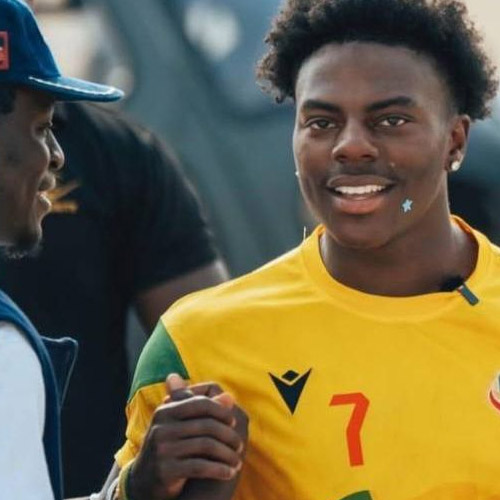
When Ghana's Foreign Minister Samuel Okudzeto Ablakwa announced that popular American YouTuber “IShowSpeed” would receive a Ghanaian passport, calling him a "worthy ambassador," the response from Ghanaians was decidedly mixed. While many celebrated the recognition of a global influencer with Ghanaian heritage, others voiced strong concerns about what they saw as the “devaluation of national citizenship”. This controversy highlights deeper tensions surrounding national identity, celebrity privilege, and the meaning of citizenship in an increasingly globalized world.
A Symbolic Gesture in Context
IShowSpeed's passport approval came at the conclusion of his "Speed Does Africa" tour, a 20-country journey across the continent that was live-streamed to his 50 million YouTube subscribers. During his visit to Ghana, the 21-year-old content creator, whose real name is Darren Watkins Jr., revealed that his mother was Ghanaian, establishing what Foreign Minister Ablakwa called "irrefutable ties to Ghana".
This development fits within a broader initiative by Ghana to connect with its global diaspora. In recent years, the country has actively courted members of the African diaspora, granting citizenship to over 500 people in 2024 alone, including prominent figures like legendary singer Stevie Wonder. Other West African nations have implemented similar programs targeting descendants of those taken during the transatlantic slave trade.

The Celebration of Cultural Reconnection
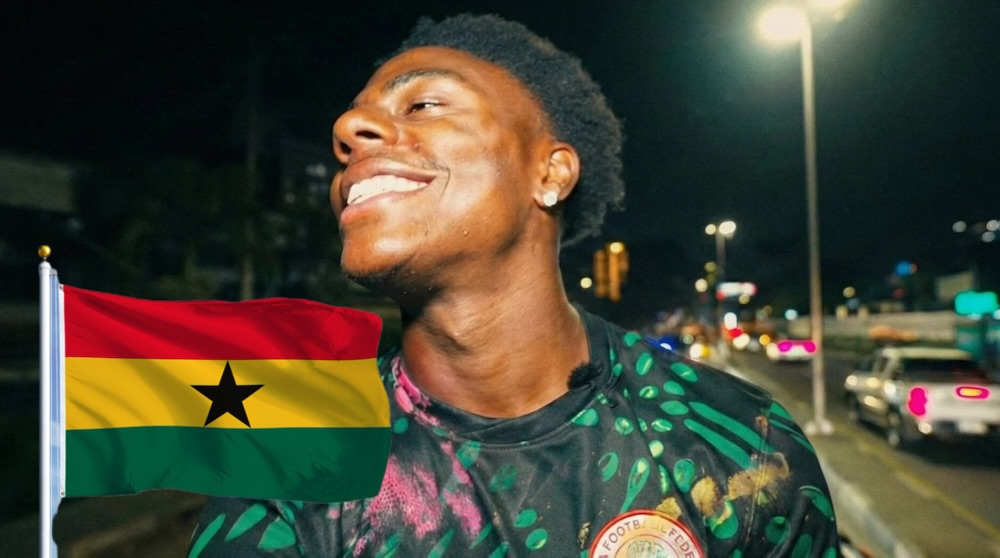
For many Ghanaians, IShowSpeed's embrace of his heritage represents a positive development. His tour has been praised for “breaking stereotypes” about Africa and showcasing diverse African cultures to a global audience. During his Ghana visit, he participated in a traditional naming ceremony, wearing kente cloth and receiving the name Barima Kofi Akuffo. His emotional declaration that he felt "back home" resonated with those who view such reconnections as healing historical wounds.
The Foreign Minister's enthusiastic endorsement reflects this perspective, urging the YouTuber to "keep making our great nation Ghana, and our beloved African continent proud." For supporters, the passport grant recognizes IShowSpeed's positive representation of Ghana and Africa more broadly, potentially encouraging tourism and investment.
Concerns About Citizenship Devaluation
Despite these positive interpretations, significant criticism has emerged. Detractors argue that “celebrity privilege” has enabled IShowSpeed to obtain citizenship through accelerated channels not available to ordinary people. Some Ghanaians have explicitly accused their government of "devaluing" the country's passport by awarding it to foreign celebrities.
This criticism touches on practical concerns about what citizenship represents. For many citizens who navigate complex bureaucratic processes for passports and documentation, the seemingly effortless granting of citizenship to a wealthy foreign celebrity feels like a **double standard**. These critics question whether symbolic diplomatic gestures should outweigh established naturalization procedures.
Broader Implications for National Identity
The controversy extends beyond individual cases to fundamental questions about national identity in the 21st century. As countries like Ghana actively recruit diasporic communities, they must balance several competing interests:
Symbolic vs. Substantive Citizenship: Does ceremonial recognition of heritage dilute the meaning of citizenship earned through residency, taxation, and civic participation?
Celebrity Access vs. Equitable Processes: Should influential figures receive expedited consideration unavailable to ordinary applicants?
Diaspora Engagement vs. Domestic Priorities: How should governments balance outreach to global communities with addressing the needs of current citizens?
These questions gain particular urgency given IShowSpeed's estimated $20 million net worth and his status as Rolling Stone's "most influential creator of 2025." Critics worry that such factors, rather than genuine connection, may have influenced the decision.
A Pattern of Selective Recognition
Ghana's approach to diaspora engagement has created precedents that inform current reactions. The 2024 citizenship grants to over 500 diaspora members established a framework for such recognition. However, the selection of high-profile figures like Stevie Wonder and now IShowSpeed raises questions about “selection criteria” and transparency in the process.
The broader West African context reveals similar initiatives in neighboring countries seeking to reconnect with descendants of the African diaspora. While philosophically aligned with repairing historical injustices, these programs face practical challenges in implementation that can lead to perceptions of inconsistency or preferential treatment.
The Role of Digital Celebrity Culture
IShowSpeed's case represents a new dimension in these citizenship debates: the influence of “digital celebrity” on national policy. With his massive online following and documented tour reaching global audiences, his potential impact on Ghana's international image is substantial. This raises questions about whether nations should leverage online influencers as cultural ambassadors, and if so, what forms of recognition are appropriate.
The tension here mirrors broader debates about the role of social media influencers in society. Should digital popularity translate to traditional honors and privileges? Does online positive representation warrant governmental recognition equivalent to decades of community service or professional achievement?
Ultimately
The mixed reactions to IShowSpeed's passport reveal a nation grappling with these complex questions in real time. While the government views such gestures as promoting national pride and global connection, critics see potential undermining of citizenship's value and meaning.
The controversy surrounding IShowSpeed's Ghanaian passport reflects deeper tensions in how nations define belonging in an interconnected world. As digital platforms amplify cultural exchanges and diasporic reconnections, traditional understandings of citizenship face new pressures. Ghana's attempt to honor heritage while building global connections represents a forward-looking approach, but one that must be carefully implemented to maintain public trust and the integrity of national identity.
What remains clear is that in our globalized era, citizenship continues to evolve from a purely legal status to a more fluid concept encompassing heritage, representation, and digital influence. How societies navigate this evolution will shape national identities for generations to come. The dialogue sparked by IShowSpeed's passport—between celebration and skepticism, between tradition and innovation—offers a valuable case study in this ongoing transformation.
Related News .
Stay updated with the most important events.